
- Home/
- Buy Neurontin in Online Pharmacy in the United States
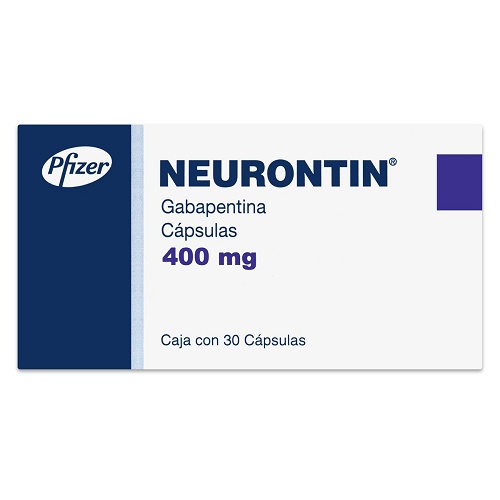
Neurontin (Gabapentin) in the United States: The Ultimate Patient Guide for Safe and Effective Use
Can Neurontin Be Obtained Without a Prescription in the United States?
No, Neurontin (gabapentin) is a prescription-only medication in the United States. It cannot be legally purchased without a valid prescription from a licensed healthcare provider. Dispensing without a prescription is prohibited by U.S. federal and state law.
Key Takeaways: What Patients Need to Know About Neurontin
- Neurontin is primarily used to treat nerve pain (neuropathic pain) and certain seizure disorders.
- A valid prescription is always required in the United States.
- Most patients start to notice symptom improvement within 1-2 weeks of consistent use, but full benefit may take longer.
- The most common side effects include dizziness and drowsiness; serious risks are rare but include suicidal thoughts and allergic reactions.
- Generic gabapentin is widely available and covered by most insurance and Medicare plans.
- Seek immediate medical attention if you experience swelling, rash, breathing difficulty, or severe mood changes.
How Does Neurontin Work in the Body?
Neurontin (gabapentin) is an analog of gamma-aminobutyric acid (GABA), but it does not bind directly to GABA receptors. Instead, gabapentin binds with high affinity to the alpha-2-delta subunit of voltage-gated calcium channels in the central nervous system.
By binding to these channels, Neurontin modulates calcium influx into neurons, thereby reducing the release of excitatory neurotransmitters like glutamate and substance P. This action decreases neuronal excitability and dampens abnormal nerve signaling—helping to alleviate neuropathic pain and prevent certain types of seizures.
Metaphorically, if nerve pain is like an overactive electrical grid, gabapentin acts as a circuit breaker, limiting the electrical “noise” that causes pain and abnormal sensations.
Myth vs Reality: Myth: Neurontin is a simple painkiller. Reality: Its effect relies on changing nerve signaling, not blocking pain like standard analgesics. It may require regular use to notice benefits.
No specific external triggers are required for Neurontin to be effective; it works independently when taken as prescribed, but individual response varies.
Understanding Real-World Treatment Expectations: Physician Insights on Neurontin Use
In my experience, a common misconception among patients starting Neurontin is expecting immediate pain relief. Many believe that, like a regular painkiller, symptom improvement should occur within hours. However, gabapentin often requires titration and consistent use over days to weeks before meaningful benefits appear. I’ve noticed that patients sometimes overlook subtle improvements, focusing only on complete pain elimination. It’s important to recognize that for neuropathic pain, “better” may mean less frequent or intense symptoms, not always total absence of pain. Additionally, few patients ask about cognitive effects or mood changes, which can be relevant in day-to-day life. I encourage open communication, especially about emotional well-being, which is often under-discussed but can significantly impact quality of life during treatment.
How Should Neurontin Be Taken?
Standard Starting Dosage: For neuropathic pain in adults, the typical initial dose is 300 mg once daily, usually at bedtime, then gradually increased to 300 mg two or three times daily as tolerated. For seizure disorders, dosing may differ.
- Titration: The dose is increased over several days, often up to a therapeutic range of 900–1800 mg/day in divided doses. Some patients may require up to 3600 mg/day.
- Maximum Dose: Do not exceed 3600 mg per day in adults.
- Duration and Onset: Peak effect is typically reached within 2–4 weeks of titrated, steady dosing.
- Tablet Splitting: Capsule and tablet formulations are available. Some tablets may be split, but capsules should not be opened. Always follow specific product instructions.
- Taken with or without food: Food does not significantly affect absorption, but taking with food may reduce stomach upset.
Special populations:
- Elderly patients or those with kidney impairment often require lower starting doses and slower titration.
- Children and patients with severe renal impairment must have individualized dosing; consult a specialist.
Food, Alcohol, and Lifestyle Interactions: What Should Patients Know?
- Food: Gabapentin absorption is not significantly affected by meals, but high-fat meals may slightly delay its effect (by up to 60 minutes for some formulations).
- Alcohol: Combining Neurontin with alcohol can increase sedation, dizziness, and risk of CNS depression. Alcohol use should typically be minimized or avoided, especially when starting treatment.
- Grapefruit juice: No clinically relevant interaction has been identified between gabapentin and grapefruit juice.
- Caffeine: No significant interaction, but patients should monitor for increased nervousness or jitteriness with high caffeine intake.
- Driving: Gabapentin may cause drowsiness or dizziness; assess your response before operating vehicles or machinery.
Who Should Not Take Neurontin? (Absolute and Relative Contraindications)
- Absolute Contraindications
-
- Known allergy or hypersensitivity to gabapentin or any excipient in the product.
- Relative Contraindications (Use with Caution or Under Specialist Guidance)
-
- Severe renal impairment (e.g., end-stage renal disease): Requires significant dose adjustment because gabapentin is eliminated by the kidneys. Risk of accumulation and toxicity if not adjusted.
- History of substance use disorder: Increased risk for misuse or dependence.
- History of depression or suicidality: Gabapentin may rarely increase suicidal thoughts; monitor closely.
- Older adults: May be more sensitive to side effects such as sedation, confusion, and risk of falls.
- Pregnancy and breastfeeding: Gabapentin crosses the placenta and is present in breast milk; use only if benefits outweigh potential risks. Discuss with your doctor.
Cardiovascular risk: No direct effect on blood pressure or heart function, but caution is advised in patients with severe cardiovascular disease due to potential drowsiness and risk of falls.
What Side Effects Are Most Common with Neurontin?
The likelihood and severity of side effects may depend on the dose, patient characteristics, and concomitant medications.
- Very Common (>1 in 10):
-
- Dizziness (mechanism: reduced neuronal excitability)
- Drowsiness/somnolence
- Common (1 in 100 to 1 in 10):
-
- Fatigue
- Ataxia (unsteady movement)
- Peripheral edema (swelling in legs/feet)
- Weight gain
- Blurred vision
- Dry mouth
- Rare (<1 in 1000):
-
- Allergic reactions (rash, swelling, breathing difficulty)
- Severe mood changes, suicidal thoughts or behavior
- Jaundice or liver dysfunction
- Very Rare (<1 in 10,000):
-
- Stevens-Johnson Syndrome (life-threatening skin reaction)
- Agranulocytosis (severe drop in white blood cells)
If you experience: persistent rash, facial swelling, breathing difficulties, severe confusion, or thoughts of self-harm, seek emergency medical attention immediately.
Common Mistakes Patients Make When Using Neurontin—and How to Avoid Them
- Stopping the medication abruptly: Abrupt discontinuation can trigger withdrawal symptoms or, in seizure patients, increase the risk of seizures. Solution: Always taper gradually as directed by your doctor.
- Inconsistent dosing schedule: Taking doses at irregular times can cause fluctuations in symptom control. Solution: Take gabapentin at the same times daily.
- Doubling up after a missed dose: Taking extra doses increases side effect risk without improving effectiveness. Solution: If you miss a dose, take it as soon as you remember unless it’s almost time for the next dose.
- Self-adjusting the dose: Increasing or decreasing the dose without medical supervision can result in loss of efficacy or increased adverse effects.
- Mixing with alcohol or sedative drugs: This amplifies drowsiness and impairs coordination. Solution: Avoid or strictly limit alcohol; discuss all medications with your doctor.
- Misunderstanding gradual onset: Some patients expect immediate pain relief and discontinue before benefits are realized. Solution: Give the medication time and discuss expectations with your physician.
- Ignoring side effects: Waiting too long to report troubling symptoms can delay necessary adjustments. Solution: Contact your provider if side effects interfere with your life.
How Does Neurontin Compare to Other Neuropathic Pain Medications?
Several medications are used to treat neuropathic pain in the U.S. The most common alternatives are pregabalin (Lyrica) and duloxetine (Cymbalta). Below is a comparison based on current clinical practice and typical U.S. pricing (2026).
| Medication | Onset Time | Duration | Common Side Effects | Typical Monthly Cost (USD) | Prescription Required? |
|---|---|---|---|---|---|
| Neurontin (gabapentin, generic) | 1-2 weeks | 8-12 hours per dose | Drowsiness, dizziness, edema | $15–$40 (generic, insurance copay); up to $200+ (brand) | Yes |
| Lyrica (pregabalin, generic) | Within days | 8-12 hours per dose | Weight gain, dizziness, blurred vision | $25–$60 (generic, insurance copay); $350+ (brand) | Yes |
| Cymbalta (duloxetine, generic) | 1–2 weeks | 24 hours per dose | Nausea, dry mouth, sweating | $10–$40 (generic, insurance copay); $300+ (brand) | Yes |
Bottom line: Neurontin is generally less expensive and widely available in generic form, but may act more slowly than pregabalin. Side effect profiles and insurance coverage may guide your doctor’s choice.
Neurontin Product Overview
| Parameter | Value |
|---|---|
| Active Ingredient | Gabapentin |
| Available Strengths | 100 mg, 300 mg, 400 mg, 600 mg, 800 mg (tablets/capsules) |
| Formulations | Capsules, tablets, oral solution |
| Typical Dosing Frequency | 1–3 times daily |
| Onset of Action | Within 1–2 weeks for pain relief |
| Peak Plasma Concentration | 2–3 hours after dose |
| Half-life (T1/2) | 5–7 hours in normal renal function |
| Storage | Room temperature (68–77°F/20–25°C) |
| Prescription Requirement | Yes (U.S. federal and state law) |
Compatibility Check: Neurontin with Other Common Products
| Type of Product | Can It Be Combined? | Consequences |
|---|---|---|
| Paracetamol (acetaminophen) | Yes | No significant interaction |
| Ibuprofen | Yes | No significant interaction |
| Opioid painkillers | With caution | Increased sedation; risk of respiratory depression |
| Alcohol | Not recommended | Increased drowsiness, impaired coordination |
| Antacids (magnesium/aluminum-containing) | Separate by 2 hours | Can reduce gabapentin absorption |
| Antidepressants (SSRIs/SNRIs) | Yes, with monitoring | Increased risk of dizziness, drowsiness |
| Pregabalin (Lyrica) | Not recommended | No added benefit; increased side effect risk |
How Is Neurontin Processed by the Body?
- Absorption: Gabapentin is absorbed in the small intestine via a saturable transport system. Maximum absorption occurs at lower doses; higher doses may have decreased bioavailability.
- Distribution: Not significantly bound to plasma proteins; widely distributed in body tissues.
- Metabolism: Not metabolized by the liver—minimizing risk of liver interactions.
- Elimination: Excreted unchanged by the kidneys. Half-life is 5–7 hours in normal renal function and much longer with kidney impairment.
- Implications: Patients with kidney dysfunction require dose adjustments to prevent accumulation and toxicity.
Special Considerations for Specific Patient Groups Using Neurontin
- Patients with chronic kidney disease: Require lower doses and careful monitoring. Gabapentin can build up and cause toxicity if not properly adjusted.
- Elderly patients: Increased sensitivity to sedation, confusion, and risk of falls. Start with the lowest effective dose.
- Pregnancy and breastfeeding: Use only if benefits outweigh risks; discuss with your healthcare provider. Gabapentin may affect fetal development in animal studies, but human data are limited.
- Mental health conditions: Report any changes in mood, depression, or suicidal thoughts promptly.
- Driving and heavy machinery: Wait until you know how Neurontin affects you before driving or performing high-risk tasks.
- Family planning and fertility: Animal studies suggest possible negative effects on fertility, but human data are inconclusive. Discuss family planning with your doctor before starting Neurontin.
How to Get Neurontin: Step-by-Step Process in the United States
-
Step 1: Schedule a Medical Consultation.
Contact your primary care physician, neurologist, pain specialist, or use a licensed telemedicine platform. -
Step 2: Clinical Assessment.
The doctor will review your symptoms, medical history, current medications, and determine if Neurontin is appropriate. -
Step 3: Prescription Issuance.
If indicated, your doctor will issue an electronic or paper prescription per U.S. regulations. -
Step 4: Pharmacy Fulfillment.
Fill your prescription at a licensed pharmacy—either in person or via a legitimate online/mail-order pharmacy. -
Step 5: Medication Counseling.
A pharmacist will provide instructions on dosing, side effects, and precautions. -
Step 6: Ongoing Monitoring.
Schedule follow-ups to assess response, adjust dosing, and monitor for side effects.
Note: Telehealth and online pharmacy options are available, but both the prescriber and pharmacy must be licensed in your state.
Questions Patients Often Ask Doctors About Neurontin: Clinical Insights
- How will I know if Neurontin is working for my pain?
- Typically, patients notice gradual improvement: less frequent or less intense pain episodes. Some experience better sleep or improved daily function before realizing pain has decreased. Tracking symptoms in a diary can help measure progress.
- Is it safe to use Neurontin long-term?
- For many patients, long-term use is safe under medical supervision, but regular review is important. Periodic reassessment ensures ongoing benefit and checks for any emerging side effects or the need for dosage adjustment.
- What should I do if I feel excessively drowsy or dizzy?
- Report these symptoms to your doctor promptly. Sometimes adjusting the dose or timing can help. Avoid driving or hazardous activities until you know your response.
- Can Neurontin be combined with antidepressants or other nerve pain medications?
- Often yes, but combinations should be managed by your doctor due to potential additive side effects. Some combinations may be recommended for complex pain conditions.
- How often should my kidney function be checked while taking Neurontin?
- At least annually for healthy adults, but more frequently if you have chronic kidney disease, are elderly, or take other medications affecting the kidneys.
- Will Neurontin affect my mood or cause depression?
- Most patients do not experience mood changes, but some may. Tell your doctor about any new feelings of sadness, agitation, or suicidal thoughts as soon as they arise.
How to Find Legitimate Pharmacies and Avoid Counterfeit Neurontin in the U.S.
- Verify Pharmacy Credentials: Legitimate U.S. online pharmacies display the NABP Digital Pharmacy Accreditation or “VIPPS” seal.
- Check State Licensing: Ensure the pharmacy is licensed in your state. Visit your state board of pharmacy website to confirm.
- Prescription Always Required: A legitimate pharmacy will require a valid prescription. If not, it’s a red flag.
- Warning Signs of Rogue Pharmacies: No U.S. street address, prices that are “too good to be true,” offers to ship without a prescription, or lack of licensed pharmacist support.
- Risks of Counterfeit Medicines: Counterfeit gabapentin may contain incorrect ingredients, wrong doses, or harmful substances. Authenticity ensures safety and effectiveness.
- Consumer Protection: Use only pharmacies listed by the National Association of Boards of Pharmacy (NABP).
Original vs Generic vs Counterfeit: How to Tell the Difference with Neurontin
- Original Neurontin: Manufactured by Pfizer, tablets/capsules are clearly labeled, with lot number, expiry date, and Pfizer branding. U.S. packaging typically includes a QR code or NDC (National Drug Code) on the box and blister.
- Generic Gabapentin: Produced by reputable manufacturers (e.g., Teva, Aurobindo, Mylan), and must meet FDA bioequivalence standards. Labeling differs by manufacturer but must include NDC and U.S. pharmacy labeling.
- Counterfeit/Illegal Imports: Unlabeled, misspelled, or unbranded packaging; missing NDC; faded or unusual pill color; broken seals; absence of QR code or security features. Unusually low price is a warning sign.
What are generics? FDA-approved generic gabapentin contains the same active ingredient as Neurontin, but may have different inactive ingredients (excipients). These excipients may cause rare allergies, but effectiveness and safety are equivalent to the original product.
Living with Neuropathic Pain: Psychological Support and Next Steps
Neuropathic pain is a common and often distressing condition, but it is manageable with the right treatment plan. Remember, your experience is valid, and you are not alone. Many find relief by combining medication with support groups, counseling, or open communication with loved ones and healthcare providers. If pain or mood changes become overwhelming, reach out to a mental health professional.
What to Do in Case of Neurontin Overdose?
- Stop taking the medication immediately.
- Call Poison Control (1-800-222-1222) or emergency services (911) in the United States without delay.
- Inform medical professionals of the dose and time taken, as well as any other medications or substances used.
- If possible, bring the medication bottle/packaging to the hospital.
- Do not attempt to induce vomiting unless instructed by a healthcare provider.
Clinical Assessment by Doctor: When Is Neurontin the Right Choice?
In my clinical practice, Neurontin is most beneficial for adults and older adolescents with moderate to severe neuropathic pain, especially when first-line treatments such as NSAIDs or acetaminophen have failed, or when pain is related to nerve injury, diabetes, or post-herpetic neuralgia. It is also valuable as adjunctive therapy for partial-onset seizures. However, it is not ideal for acute pain or as a general painkiller. Patients with significant renal impairment, history of substance misuse, or those at risk for severe drowsiness or confusion require careful consideration or alternative therapies. I typically recommend alternatives like pregabalin or duloxetine if rapid symptom control is needed or if gabapentin causes intolerable side effects. Regular follow-up is key to ensure ongoing benefit and to adjust treatment as life circumstances change.
Frequently Asked Questions About Neurontin (Gabapentin)
- Is Neurontin effective for all types of pain?
- No, Neurontin is most effective for nerve-related (neuropathic) pain such as diabetic neuropathy, post-herpetic neuralgia, and certain nerve injuries. It is not recommended for acute or inflammatory pain (e.g., sprains or headaches).
- How long does it take for Neurontin to start working?
- Most patients begin to notice improvement within 1–2 weeks; full effects may take up to a month of consistent use.
- Do I need a prescription to buy Neurontin in the United States?
- Yes, Neurontin is available only by prescription in the U.S. It is a legal requirement nationwide.
- How much does Neurontin cost?
- Generic gabapentin is typically $15–$40 per month with insurance; brand-name Neurontin may cost over $200 per month without coverage. Prices vary by region and pharmacy.
- Is gabapentin the same as Lyrica (pregabalin)?
- No. While both are used to treat neuropathic pain and seizures, they are different drugs with distinct dosing and side effect profiles. Lyrica is typically more expensive.
- Can I take Neurontin with my other medications?
- In most cases, yes, but gabapentin can interact with certain antacids, opioids, and other CNS depressants. Always provide your doctor and pharmacist with a full medication list.
- Does Neurontin cause dependence or withdrawal?
- Although considered low risk for dependence, stopping suddenly can cause withdrawal symptoms (anxiety, insomnia, agitation, increased pain). Always taper under medical supervision.
- What should I do if I miss a dose?
- Take it as soon as you remember, unless it’s almost time for your next dose. Do not double doses. Consult your doctor if unsure.
- Can I order Neurontin from an online pharmacy?
- Only if you have a valid prescription and use a licensed U.S. pharmacy. Avoid websites that offer to sell without prescription or ship from outside the U.S.
- For how long can I use Neurontin safely?
- Many patients use Neurontin for months or years under medical advice. Regular monitoring and reassessment are essential to ensure ongoing safety and benefit.
References
-
FDA. Neurontin (gabapentin) prescribing information. Accessed 2026.
https://www.fda.gov/drugs -
National Institutes of Health. Gabapentin Drug Information Portal. Accessed 2026.
https://druginfo.nlm.nih.gov/drugportal/ -
Mayo Clinic. Gabapentin (Oral Route). Accessed 2026.
https://www.mayoclinic.org/drugs-supplements/gabapentin-oral-route/description/drg-20064011 -
PubMed. Pharmacology and clinical studies on gabapentin. Accessed 2026.
https://pubmed.ncbi.nlm.nih.gov/ -
National Association of Boards of Pharmacy (NABP). Online Pharmacy Accreditation. Accessed 2026.
https://www.nabp.pharmacy/ -
ClinicalTrials.gov. Gabapentin clinical studies. Accessed 2026.
https://clinicaltrials.gov/