
- Home/
- Buy Prednisolone at Low Price Online in the United States
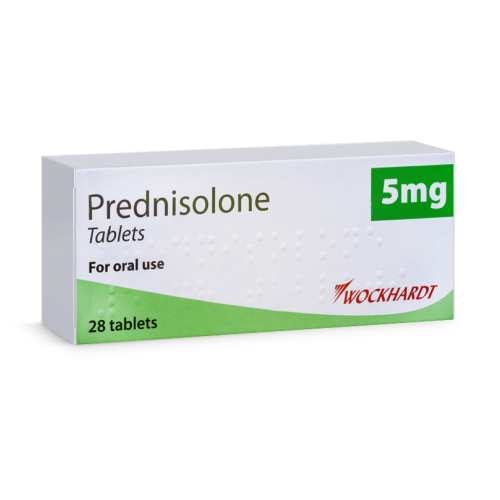
Prednisolone is a prescription medication used in the United States to control inflammation, especially when it threatens the function of vital organs or disrupts daily life. It works quickly to reduce swelling and immune overactivity, but its benefits come with specific risks and practical trade-offs that matter for every patient. Before starting, the most important thing to know is: Prednisolone is powerful, but the way you take it—and for how long—matters as much as the decision to start it in the first place.
Is Prednisolone the Right Choice in Inflammation? What Really Sets It Apart
Picture this: your joints are swollen, your skin is flaring, or your lungs feel tight. Maybe you’ve just walked out of your doctor’s office with a prescription for Prednisolone—and in your hand, a mix of hope and apprehension. Why this drug, and not one of the dozens of others you’ve seen advertised or discussed online?
Prednisolone isn’t just another anti-inflammatory. In the United States, it’s the oral corticosteroid physicians reach for when the stakes are high—when swelling threatens permanent damage, or when other options have failed to turn the tide. It acts fast, delivers relief within hours to days, and is powerful enough to put the brakes on the immune system. For many, it’s the difference between another lost week and a return to normalcy. But unlike medications you take for months or years, Prednisolone is rarely a set-it-and-forget-it solution. The art lies in using enough to help, but not so much that side effects take center stage.
- Prednisolone is often the first choice in severe flares of asthma, autoimmune disease, or allergic reactions, especially when rapid control is vital.
- It is typically used for the shortest time possible, at the lowest dose that works—then tapered or stopped when safe.
- Alternatives (like NSAIDs or newer biologics) may be considered for milder inflammation, or when long-term control is needed with fewer side effects.
“In my practice, Prednisolone is the medication I trust when I need a quick, predictable response. But it’s not a lifestyle drug—it’s a bridge. The real decision is not just whether to use it, but how and when to get off it safely.”
What this means for you: If your inflammation is threatening your daily function or your health, Prednisolone can be a game-changer. If you’re looking for a chronic, long-term fix with minimal baggage, it’s usually not the answer. The decision to start it is also the decision to plan—right from the beginning—for when and how to stop.
How Prednisolone Tames Inflammation—and What That Feels Like
Beneath the surface, inflammation is more than redness and swelling. It’s your immune system on overdrive, signaling pain, heat, and damage. Prednisolone’s job is to slam on the brakes—fast. But what does that actually look like in your body, and how will you know it’s working?
- Mechanism of Action
- Prednisolone mimics cortisol, a hormone your body makes naturally. It enters cells and changes how genes are expressed, dialing down the immune signals that trigger swelling and tissue damage.
- Onset of Relief
- Many feel improvement within 12-24 hours of the first dose, especially with moderate or high starting doses. Asthma patients may notice easier breathing overnight. Swollen joints can soften and regain movement within days. For skin flares, redness and itch often subside quickly.
What’s happening isn’t just symptom relief. The medication is actively suppressing the processes that cause pain and destruction in tissues. This is powerful—and for many, feels like “getting their life back” within a week. But this speed comes with a catch: Prednisolone doesn’t distinguish between helpful and harmful inflammation. That’s why timing, dose, and careful monitoring matter so much.
What to Expect When You Start Prednisolone: Dosing, Timing, and Practicalities
The first Prednisolone tablet you take can feel like a turning point, especially if your symptoms have been stubborn or severe. But the next questions are practical: How much? How often? For how long? Here’s what patients in the United States actually experience—and what you should know before your first dose.
| Condition | Typical Starting Dose | Duration | Notes |
|---|---|---|---|
| Acute Asthma Flare | 40-60 mg once daily (adult) | 5-10 days | No taper needed if <2 weeks |
| Autoimmune Flare (e.g., lupus, vasculitis) | 0.5-1 mg/kg/day | Varies (often weeks, then taper) | Taper depends on response |
| Severe Allergic Reaction | 40-60 mg once daily | 3-7 days | Short course, no taper |
| Children (by weight, indication) | 1-2 mg/kg/day (max 60 mg) | Usually <7 days | Always weight-based dosing |
What does this mean for your daily routine? Most courses begin with a higher dose, taken in the morning to mimic your body’s natural rhythm and minimize side effects. Short bursts (under two weeks) don’t usually require gradual tapering. For longer treatments, your doctor will reduce the dose slowly—sometimes over weeks or months—to let your body restart its own cortisol production and avoid withdrawal symptoms.
Tablets are the most common form prescribed in the United States, but liquid formulations exist for children or those who cannot swallow pills. Prednisolone is available in several strengths; your pharmacy may provide multiple tablets to reach your dose. Always check your prescription label and ask your pharmacist if you’re unsure how to take your medication.
Prednisolone vs. Other Treatments for Inflammation: Where It Fits, and Where It Doesn’t
For many patients, choosing Prednisolone isn’t just about controlling inflammation—it’s about weighing speed, risk, and long-term goals. Here’s how Prednisolone stacks up against other major options for managing inflammation in the United States.
| Medication | How It Works | Speed of Relief | Common Uses | Main Risks | Usual Duration | Prescription in US? |
|---|---|---|---|---|---|---|
| Prednisolone | Suppresses immune and inflammatory signals (corticosteroid) | Rapid (hours to days) | Severe flares, organ-threatening inflammation, allergic reactions | Blood sugar rise, mood changes, immune suppression, bone loss (long term) | Short bursts or tapering courses | Yes |
| NSAIDs (e.g., ibuprofen, naproxen) | Blocks prostaglandins (inflammatory messengers) | Moderate (hours) | Mild to moderate pain/inflammation | Stomach ulcers, kidney strain | Days to weeks | Some OTC, some Rx |
| Biologics (e.g., adalimumab, etanercept) | Targets specific immune pathways | Slow (weeks to months) | Rheumatoid arthritis, Crohn’s, severe autoimmune | Infection risk, injection reactions | Chronic | Yes |
| Methotrexate | Reduces immune cell activity | Slow (weeks) | Chronic autoimmune disease | Liver toxicity, mouth sores | Chronic | Yes |
Interpretation: Prednisolone is the fastest, broadest anti-inflammatory in the toolkit, but its side effect risk increases with dose and duration. NSAIDs are suitable for pain and milder inflammation, but can’t match Prednisolone’s power in organ-threatening disease. Biologics and methotrexate are long-term “disease-modifying” options, but work slowly—and often require a bridge like Prednisolone for acute control. In clinical practice, it’s common to start with Prednisolone to quickly calm a flare, then transition to another agent for maintenance.
Which Side Effects Matter Most with Prednisolone—and When to Act
Ask any patient who’s taken Prednisolone: the benefits are real, and so are the side effects. The challenge is knowing which ones to expect, which signal trouble, and how to manage them in real life. Here’s what patients in the United States most often encounter—and when to pick up the phone.
Common and Expected Effects
- Increased appetite: Many notice their hunger ramps up within days.
- Insomnia: Trouble falling or staying asleep is common, especially with higher doses.
- Mood swings: Irritability, anxiety, or even euphoria can appear in the first week.
- Fluid retention: Some develop mild swelling in the hands, feet, or face.
- Short-term blood sugar increase: Diabetics may need closer monitoring; others rarely notice symptoms.
Serious or Less Common Effects
- Infection risk: Suppressed immune function can increase your chance of catching illness or make infections more severe.
- Osteoporosis: Prolonged courses can weaken bones, especially in older adults or those with risk factors.
- Eye problems: Blurred vision or eye pain can signal glaucoma or cataract formation.
- GI bleeding: Severe abdominal pain or black stools require immediate attention.
- Adrenal suppression: Longer courses can reduce your own steroid production, causing fatigue, weakness, or low blood pressure if stopped abruptly.
| Side Effect | How Common | When to Contact a Doctor |
|---|---|---|
| Increased appetite | Very common | If it leads to rapid weight gain or causes distress |
| Insomnia | Common | If it severely disrupts sleep or mood |
| Mood changes | Common | If you feel severely depressed, manic, or have thoughts of self-harm |
| Infection | Less common | Any fever, chills, or symptoms that do not improve |
| Vision changes | Rare (short-term); more common with long-term use | Any sudden vision change or eye pain |
| GI bleeding | Rare | Severe pain, black/tarry stools, vomiting blood |
| Adrenal suppression | Rare (short-term); more common with long-term use | Severe fatigue, dizziness, low blood pressure especially after stopping medication |
For most, Prednisolone side effects are temporary and resolve as the dose is tapered or stopped. The risk of serious complications rises with higher doses and longer courses. That’s why physicians in the United States rarely use this medication as a chronic daily treatment unless no alternatives exist. If you have a past history of diabetes, osteoporosis, psychiatric illness, or glaucoma, your doctor will likely opt for extra monitoring—or steer you toward alternatives if possible.
When NOT to Take Prednisolone: Warnings, Contraindications, and Clinical Context
- Have a known allergy to Prednisolone or any of its inactive ingredients.
- Are suffering from a current, untreated serious infection (such as fungal, tuberculosis, or herpes eye infections).
- Are receiving live vaccines (while on high-dose or long-term Prednisolone, as it may blunt your immune response and increase vaccine risk).
Use with Extra Caution if you:
- Have diabetes, as Prednisolone can spike blood sugar rapidly. Close monitoring or medication changes may be needed.
- Have a history of psychiatric illness—especially mood disorders, psychosis, or bipolar disease—side effects can trigger new or worsening symptoms.
- Are prone to osteoporosis, have existing bone loss, or are at high fracture risk.
- Have a history of peptic ulcer or GI bleeding.
- Are pregnant or breastfeeding—discuss risks and benefits with your doctor, as Prednisolone crosses the placenta and appears in breast milk.
- Have glaucoma or uncontrolled high blood pressure.
Absolute contraindications are rare. In real practice, the decision is often about balancing urgent need against potential harm. For example, a patient with poorly controlled diabetes and a severe asthma attack may still need Prednisolone—but with hospital-level monitoring and a plan to manage their sugar. The same logic applies to infection risk: sometimes, life-threatening inflammation leaves no better option, but your healthcare team will adjust doses and use additional therapies to reduce your risk.
How to Get Prednisolone in the United States: Access, Cost, and Practical Questions
For all its power, Prednisolone is not a rare or boutique drug. In the United States, it’s a mainstay—prescribed by primary care doctors, specialists, and urgent care providers alike. But how do you actually get it, what will it cost, and what hurdles might you face at the pharmacy?
- Prescription status: Prednisolone is available only by prescription from a licensed healthcare provider. There are no legitimate over-the-counter or direct-to-consumer versions in the US.
- Pharmacy access: Widely stocked at major chain and independent pharmacies. Some mail-order pharmacies can fill larger or chronic prescriptions.
- Generic availability: Generic Prednisolone is available in multiple strengths and formulations, making it more affordable for most patients.
- Insurance coverage: Nearly all commercial insurance plans and Medicare/Medicaid cover generic Prednisolone. Your co-pay will depend on your plan, but generic tiers are usually inexpensive.
- Out-of-pocket cost: Prices vary, but a short course of generic Prednisolone typically costs less than $20 before insurance in most US pharmacies (as of 2024).
- Prior authorization: Required only rarely—usually if your doctor prescribes Prednisolone in high doses for an extended period, or as part of a complex specialty treatment plan.
Some patients ask about online pharmacies or mail-order fulfillment. In the United States, legitimate online pharmacies require a valid prescription and are regulated by the FDA. Avoid any site offering Prednisolone without a prescription—these are not only illegal, but also risky in terms of quality and safety.
FAQ: Prednisolone—Answers to Real Patient Questions
How quickly will I feel better after starting Prednisolone?
Most patients notice improvement within 24 to 48 hours—sometimes even faster in severe inflammatory flares. Full benefit depends on your condition, dose, and how quickly your symptoms respond. If you feel no change after several days, contact your doctor to discuss next steps.
Can I drink alcohol while taking Prednisolone?
Moderate alcohol is not absolutely forbidden, but combining Prednisolone with alcohol increases your risk of stomach irritation or ulcers. If you have a history of GI problems or are on long-term steroids, it’s best to minimize or avoid alcohol until your course is completed.
What should I do if I miss a dose?
If you remember within a few hours, take your missed dose as soon as possible. If it’s almost time for your next dose, skip the missed one and return to your regular schedule. Do not double up. For longer-term courses, missing several doses can cause withdrawal symptoms—call your doctor if you miss more than one dose in a row.
Do I need to taper off Prednisolone?
Short courses (less than two weeks) usually do not require tapering. Longer courses, or higher doses taken for several weeks, need a gradual reduction to avoid adrenal suppression and withdrawal. Always follow your doctor’s instructions—never stop suddenly on your own.
Are there foods or supplements I should avoid?
There are no absolute food restrictions, but taking Prednisolone with food reduces stomach upset. Salt and sugar cravings are common, and weight gain can occur. Keep a balanced diet, and ask your doctor before starting supplements—especially calcium, vitamin D, or herbal remedies that can interact with medications.
Will Prednisolone affect my other medications?
Prednisolone interacts with many drugs, including diabetes medications, blood thinners, NSAIDs, and some vaccines. Always provide your full medication list to your doctor and pharmacist. They will check for interactions and adjust your treatment if needed.
How will my doctor monitor me while I’m on Prednisolone?
Monitoring depends on your dose and duration. Short courses may not require any labs or visits. Longer or repeat courses often involve blood sugar checks, blood pressure monitoring, and sometimes bone density scans. Report any new symptoms, especially mood changes or signs of infection, right away.
I’m nervous about side effects—how do doctors decide that Prednisolone is worth it?
Doctors weigh the risks and benefits for each patient, considering how severe your inflammation is, your other medical conditions, and what alternatives you have. For many, the short-term use of Prednisolone prevents much more serious complications from uncontrolled inflammation. If you have concerns, discuss them openly before starting treatment.
Is it safe to use Prednisolone for children?
Prednisolone is commonly used for children with asthma, severe allergic reactions, or certain autoimmune conditions. Dosing is always weight-based and for the shortest duration possible. Pediatricians are careful to balance benefits and risks, monitoring for any side effects during and after treatment.
References
- U.S. Food and Drug Administration (FDA)
- Prednisolone (Oral Route) – Mayo Clinic
- American College of Rheumatology: Guidelines for Glucocorticoid Use in Rheumatic Diseases, 2023
- Centers for Disease Control and Prevention (CDC)
- Prednisolone Prescribing Information, Official Manufacturer US Labeling
- PubMed
- UpToDate: Glucocorticoid Therapy and Management in Adults, 2024
- American College of Rheumatology