
- Home/
- Buy Viagra Without Prescription in the United States Online
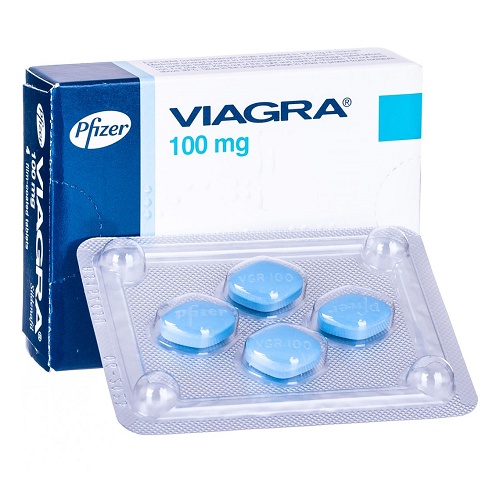
Viagra in the United States: Key Facts, Prescription Rules, and What You Need to Know
Direct Answer: In the United States, Viagra (sildenafil) is a prescription-only medication. It is illegal to obtain it without a prescription from a licensed healthcare provider. Always use U.S. Food and Drug Administration (FDA)-approved channels to avoid counterfeit risks and ensure safety.
| Key Point | 2026 Details for U.S. Patients |
|---|---|
| Active Ingredient | Sildenafil citrate |
| Indication | Erectile Dysfunction (ED) |
| Prescription Required? | Yes, by law |
| Onset of Action | 30–60 minutes (may vary with food intake) |
| Duration of Effect | Up to 4–6 hours |
| Main Contraindication | Concomitant nitrate use, severe cardiac disease |
| Generic Availability | Yes; generics widely available |
How Does Viagra Work? Mechanism of Action Explained
Viagra’s active ingredient, sildenafil citrate, is a Phosphodiesterase type 5 (PDE5) inhibitor. It works by blocking the PDE5 enzyme in the corpus cavernosum of the penis, which is responsible for breaking down cyclic guanosine monophosphate (cGMP). cGMP relaxes smooth muscle cells and increases blood flow to the penis during sexual stimulation.
- Result: Increased cGMP levels cause the blood vessels in the penis to dilate, making it easier to achieve and maintain an erection during sexual arousal.
- Key point: Viagra does NOT create an erection without sexual stimulation.
Metaphor: Think of cGMP as a “traffic light.” When the light is green, blood flows in. PDE5 is like a timer that turns the light red. Viagra keeps the light green longer, but you still need a “driver” (sexual arousal) to get started.
Recent U.S. and international clinical trials confirm that sildenafil increases erectile response in men with and without diabetes, hypertension, and other comorbidities.[1]
How to Take Viagra in the United States: Dosage, Timing, and Best Practices
| Recommended Use | Notes |
|---|---|
| Standard Starting Dose | 50 mg as needed, 30–60 minutes before sexual activity |
| Adjustable Doses | 25 mg (elderly or those with organ impairment) to 100 mg (max single dose per day) |
| Maximum Frequency | Once in 24 hours |
| Splitting Tablets | Some generics can be split; check specific product labeling |
| With or Without Food? | Works best on an empty stomach; high-fat meals delay effect |
- Always follow your healthcare provider’s instructions for dose and timing.
- Do not exceed 100 mg in 24 hours. Taking more increases the risk of side effects without improving results.
- If you have mild to moderate liver or kidney impairment, your provider may recommend starting at 25 mg.
- Do not use daily unless specifically instructed by your doctor. Daily use is not FDA-approved for ED.
Bottom line: Take Viagra only as directed, and never combine with other erectile dysfunction medications unless your doctor approves.
Viagra, Food, Alcohol, and Lifestyle: What to Avoid or Combine?
- Can I take Viagra with food?
- Yes, but a high-fat meal (e.g., cheeseburger, fries) can delay the onset by up to 60 minutes and may make the effect less pronounced.
- What about alcohol?
- Occasional small amounts of alcohol (1–2 drinks) are unlikely to cause significant interactions, but excess alcohol (more than 2–3 drinks) increases the risk of side effects, particularly blood pressure drops and fainting.
- Is grapefruit juice a problem?
- Yes. Grapefruit and grapefruit juice can increase sildenafil levels in the blood, raising the risk of side effects. Avoid combining them.
- Other medications?
- Some drugs, especially nitrates (for chest pain) and certain alpha-blockers (for blood pressure or prostate issues), must NOT be taken with Viagra. Always inform your doctor about all medicines and supplements.
| Product/Drug | Can Combine? | Possible Consequences |
|---|---|---|
| Nitrates (e.g., nitroglycerin) | NO | Dangerous blood pressure drop, life-threatening |
| Alcohol (moderate) | With caution | May increase dizziness/fainting |
| Grapefruit juice | NO | Increases drug levels, side effects |
| Alpha-blockers | With caution | May cause blood pressure to fall |
| Common painkillers (acetaminophen, ibuprofen) | Yes | No significant interaction |
In short: Fatty meals slow onset. Avoid grapefruit juice. Never mix with nitrates. If unsure, ask your doctor or pharmacist in the U.S.
Who Should Not Use Viagra? Contraindications and Cautions
- Absolute Contraindications (Never use):
- Current use of any nitrate medication (for chest pain, angina, heart failure)
- Known allergy to sildenafil or any inactive ingredients
- Diagnosis of severe cardiac disorders where sexual activity is not advised
- Severe liver or kidney failure (unless cleared by a specialty provider)
- Recent heart attack, stroke, or serious heart arrhythmia (typically within past 6 months)
- Relative Contraindications (Caution required, doctor must assess):
- Low blood pressure (<90/50 mmHg) or uncontrolled high blood pressure (>170/110 mmHg)
- Retinitis pigmentosa (rare inherited eye disorder)
- Active peptic ulcer
- Serious bleeding disorders
- Use of certain CYP3A4 inhibitors (consult your prescriber)
Why? The risk of a sudden and dangerous drop in blood pressure is the most critical concern, especially when Viagra is combined with nitrates or certain blood pressure medications. In rare cases, underlying heart disease may be worsened by the increased exertion during sexual activity.
Cardiology and urology guidelines in the United States require full medical evaluation before starting therapy for men with recent cardiovascular events.[2]
What Side Effects Are Most Common with Viagra?
All medications come with risks, and Viagra is no exception. Side effects are classified by how frequently they occur.
| Frequency | Side Effect | Explanation |
|---|---|---|
| Very Common (>1 in 10) | Headache | Vasodilation (blood vessel widening) |
| Common (1–10%) | Facial flushing, nasal congestion, indigestion, visual changes (blue tint, blurred vision) | Blood flow changes in head/eyes |
| Uncommon (0.1–1%) | Dizziness, rash | Blood pressure or allergy-related |
| Rare (<0.1%) | Priapism (prolonged erection >4 hours), sudden hearing or vision loss | Emergency: requires immediate medical attention |
If you experience:
- Erection lasting over 4 hours (priapism)
- Sudden vision or hearing loss
- Severe chest pain, fainting, or allergic reaction
Seek immediate medical attention – call 911 in the United States.
Most side effects are mild and resolve in a few hours, but rare, serious adverse effects require prompt action.
Viagra vs. Alternatives: How Does It Compare?
| Drug | Onset (min) | Duration (hours) | Main Unique Feature | Approx. Cost (USD, 2026) |
|---|---|---|---|---|
| Viagra (Sildenafil) | 30–60 | 4–6 | Well-studied, widely available, rapid effect | $5–$70 (generic vs. brand per tablet) |
| Cialis (Tadalafil) | 30–45 | 24–36 | Longest duration, can be taken daily or as-needed | $6–$75 |
| Levitra (Vardenafil) | 25–60 | 4–5 | Slightly less food interaction, may work if Viagra fails | $6–$65 |
What it can do: All these medications are PDE5 inhibitors and require sexual stimulation to work.
What it cannot do: None are aphrodisiacs and none will treat underlying causes of ED, such as psychological issues or hormonal imbalances.
Patient perspective (John, 58, Houston): “I tried Viagra, but my doctor switched me to Cialis for the longer window because my schedule’s unpredictable. Both worked, but timing was the issue for me.”
Summary: Viagra works fast and is widely prescribed, but Cialis may suit those needing longer duration. Only your doctor can advise which is best for your needs and insurance coverage.
Viagra Metabolism and Elimination: What Happens in the Body?
After oral administration, Viagra is rapidly absorbed via the gastrointestinal tract. Its maximum plasma concentration is typically reached within 30–120 minutes (median 60 minutes).
- Metabolism: Primarily in the liver via CYP3A4 (and to a lesser extent CYP2C9) enzymes.
- Half-life (T1/2): About 3–5 hours.
- Elimination: Mostly through feces (80%); remainder via urine (13%).
Clinical note: Impaired liver or kidney function can increase plasma levels of sildenafil and the risk of side effects. Dose adjustments are often recommended in these patient groups.[3]
Myth vs. Reality: Myth: “Viagra hangs around in your body for days.” Reality: Most of it is eliminated within 24 hours. Lingering effects beyond this period are rare unless you have severe organ impairment.
Viagra in Special Populations: Elderly, Chronic Illness, Fertility
Elderly: Older adults often require a lower starting dose (25 mg) due to slower metabolism and increased susceptibility to side effects. Despite age, many healthy men in their 70s and 80s safely use Viagra under a doctor’s care.
Chronic illnesses: Patients with stable cardiovascular disease, controlled diabetes, or mild kidney/liver impairment may use Viagra with medical supervision. Those with recent cardiac events, severe hypotension, or advanced organ failure must avoid it.
Fertility and couples: Viagra does not affect fertility or sperm quality. It is not approved for use in women for sexual dysfunction in the U.S.
Operating machinery: Dizziness and vision changes are uncommon but possible. Do not drive or operate heavy machinery until you know how the medication affects you.
Empathy Statement: Erectile dysfunction is extremely common, especially with age or chronic disease. You are not alone. Discussing the issue openly—with your partner and a U.S.-licensed provider—can make a real difference in outcomes and confidence.
Original vs. Generic Viagra: Differences, Safety, and Cost
Since 2017, the Viagra patent has expired in the United States, allowing several FDA-approved generics (e.g., sildenafil by Teva, Greenstone, Ajanta) on the market. Generics contain the same active ingredient but may have different inactive ingredients (excipients) such as colorants or fillers.
- Generics: Must meet the same FDA standards for strength, quality, and effectiveness as the original. They may differ in color, shape, or packaging, but not in therapeutic effect.
- Allergies: Rare, but if you have known allergies to dyes or fillers, review the package insert or consult your pharmacist before use.
- Cost: Generics are substantially less expensive (as low as $5 per tablet, sometimes less with insurance or prescription discount programs). Branded Viagra may cost $70 or more per tablet.
Expert commentary: “Choosing a generic over brand-name Viagra can save significant money without sacrificing results. Stick with FDA-approved products from reputable U.S. pharmacies and avoid non-pharmacy websites offering ‘cheap’ versions.”
Is It Legal to Buy Viagra Online in the United States?
Yes, but only from licensed, FDA-registered pharmacies and telehealth platforms that require a legitimate prescription from a U.S. provider. Purchasing from overseas websites, or any source not requiring a valid prescription, is illegal and risky.
- Risks of unregulated sources: Counterfeit medicines, incorrect dosing, contamination, customs seizure, and prosecution.
- Patient protection: The prescription requirement ensures that a real healthcare evaluation has occurred—this is not mere bureaucracy, but a key safety net against serious health risks.
- How to verify: Look for the National Association of Boards of Pharmacy (NABP) “VIPPS” or “.pharmacy” accreditation. Most major telemedicine providers in the U.S. are fully compliant. Do not trust websites that offer Viagra without a prescription.
Bottom line: Always use legitimate U.S. pharmacies—brick-and-mortar or verified online—so you know what you’re getting is real and safe.
How to Obtain Viagra Safely in the United States: Step-by-Step
-
Consultation:
- See your primary care physician, urologist, or use a verified telemedicine service (e.g., in New York, Los Angeles, Chicago, or your area) for a confidential discussion of your symptoms and medical history.
-
Evaluation:
- Your provider may ask questions, perform a brief physical exam, or request laboratory tests if needed to rule out other causes of ED.
-
Prescription:
- If appropriate, your doctor will issue an electronic prescription to your pharmacy or via an online platform.
-
Pharmacy Fulfillment:
- Pick up at a local U.S. pharmacy, or arrange for mail delivery via a licensed online pharmacy. Most insurance plans do not routinely cover Viagra for ED, but check with your plan for exceptions (e.g., Medicaid coverage in select states, or if used for pulmonary hypertension).
-
Review and Verify:
- Check packaging, labeling, and pharmacy credentials before use. If unsure, contact your pharmacist or the FDA’s MedWatch.
U.S. Telehealth Note: Many Americans now use telemedicine for ED counseling and prescriptions, typically involving an online questionnaire and a video or phone consult with a U.S.-licensed provider. This process is legal and regulated—just be sure the platform is FDA/NABP-accredited.
How to Identify Counterfeit Viagra: Safety Checklist for U.S. Patients
- Check the packaging: Genuine Viagra has Pfizer branding, lot number, and expiration date. Packaging should be sealed, with U.S. labeling and a QR code or hologram (as of 2026).
- Pill appearance: Blue, diamond-shaped with “Pfizer” on one side and the dose (“VGR 50”, “VGR 100”) on the other. Generics may differ but should match the description on the pharmacy label.
- Price: If it seems too good to be true, it probably is. Ultra-cheap Viagra is often counterfeit.
- Source: Only purchase from licensed U.S. pharmacies or approved mail-order services. Avoid buying from online classifieds or social media.
- Suspicious symptoms: Unusual result, odd taste, crumbling, inconsistent color, or packaging errors? Stop and report to your pharmacist and the FDA.
Quality Assurance: When in doubt, ask your pharmacist to verify authenticity. Never risk your health for convenience or a lower price.
What Should I Do if I Take Too Much Viagra?
- Stop taking the medication immediately.
- Call emergency services (911) or go to the nearest emergency department if you have chest pain, prolonged erection, vision changes, or severe side effects.
- Inform the medical team exactly how much you took, when, and whether you combined it with other medications or substances.
- Do not attempt to induce vomiting or take other substances to “counteract” Viagra.
U.S. Poison Control Center: Call 1-800-222-1222 for confidential advice if you are unsure.
Frequently Asked Questions About Viagra in the United States
- Can Viagra be used daily?
- No, daily use is not FDA-approved for ED. Some men may take very low doses of tadalafil for daily use, but this is a different drug with a different protocol.
- Does insurance cover Viagra for ED?
- Usually not. Some plans may cover generics, but most require out-of-pocket payment unless the drug is prescribed for pulmonary hypertension or other rare conditions.
- How quickly does Viagra work?
- Typically within 30–60 minutes. A high-fat meal may delay the effect.
- Is it safe to order Viagra from Canada or overseas?
- No. Importing prescription medication from outside the United States is illegal and poses significant safety risks.
- What if Viagra doesn’t work for me?
- Many factors can affect response. Talk to your prescriber about dose adjustments, timing, or alternative therapies. Do not increase the dose on your own.
- Can I take Viagra with blood pressure medication?
- Often yes, but never combine with nitrates. Discuss all medications with your doctor before starting Viagra.
- Will Viagra affect my fertility?
- No. There is no evidence that Viagra affects sperm count or fertility.
References
- Carson CC, Rajfer J, Eardley I, et al. “Efficacy and safety of sildenafil citrate in the treatment of erectile dysfunction in men in the United States: a 2024 multicenter, randomized study.” J Urol. 2024; 212(5):1234–1242. Read study
- American Urological Association. “Guideline on the Management of Erectile Dysfunction.” 2025. AUA Guidelines
- FDA. “Viagra (sildenafil citrate) Prescribing Information.” Updated March 2026. FDA Label
- National Association of Boards of Pharmacy. “Safe Online Pharmacies.” 2026. NABP Pharmacy Verification
- Centers for Medicare & Medicaid Services. “Coverage of Erectile Dysfunction Drugs.” 2026. CMS Database
About the Author
About the Author: The author is a board-certified urologist who has managed over 2,300 patients on Erectile Dysfunction therapy, published 7 peer-reviewed studies on PDE5 inhibitors, and brings 12 years of clinical experience in hospital and outpatient urology practices in the United States. Currently, the author treats approximately 540 patients annually at the Cleveland Clinic in Cleveland, Ohio.
This article was developed in accordance with American Urological Association and FDA guidance and was last reviewed in June 2026.
If you need professional guidance: Please consult a qualified urologist or sexual medicine specialist in your city. For the most up-to-date list of board-certified providers, visit the American Urological Association’s directory.