
- Home/
- Buy Ivermectin Online in the United States – Fast Shipping Available
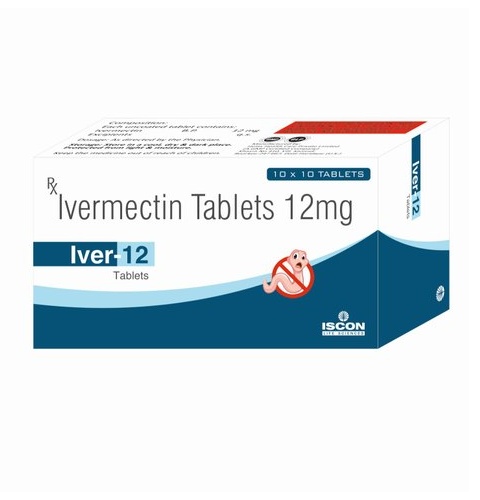
| Medicine name | Ivermectin |
|---|---|
| Main ingredient | Ivermectin |
| Treatment use | Antiparasitic (used for infections like strongyloidiasis, onchocerciasis, and other parasitic infestations) |
| Forms and strengths | 3 mg, 6 mg, and 12 mg oral tablets |
| How quickly it starts to work | Within 24–48 hours after dosing |
| How long its effects last | Up to several days, depending on the infection and single vs repeated dosing |
| How to take it | Usually as a single dose, sometimes repeated as directed |
| Prescription in the US? | Prescription required by FDA regulation |
| Typical price in the US | $35–$120 for a standard course (varies by pharmacy and insurance) |
Ivermectin: Guidance for Antiparasitic Use in the United States
Ivermectin is a well-established antiparasitic medication that addresses a range of parasitic infections including those caused by worms and some external parasites. In the United States, it is regulated as a prescription medicine, making it a legal and accessible option for eligible patients when prescribed by a licensed healthcare provider. Understanding how Ivermectin works and whether it is suitable for your specific needs is the first step toward solving a real and often distressing health problem.
Parasitic Infections: Common, Treatable, and Recognized
Parasitic infections, while often thought of as rare in the United States, are more prevalent than many realize. According to the Centers for Disease Control and Prevention (CDC), millions of Americans are affected by parasitic diseases each year, with strongyloidiasis and other helminthic (worm) infections representing significant public health concerns (CDC, 2023). Not all cases are linked to international travel or poor sanitation; everyday exposures, especially in the southern states and in certain occupational settings, can lead to infection. The important point: these conditions are both recognized and effectively treatable with modern medicine, and you are far from alone in facing them.
How Ivermectin Works Against Parasites: More Than Just a Pill
When you take Ivermectin, the active ingredient targets the nervous system of many types of parasites—like certain worms and mites—causing paralysis and ultimately death of the invader. For you, this means the source of your symptoms is addressed at its root, not just masked. The medication binds to specific channels (called glutamate-gated chloride channels) in the parasite, allowing chloride ions to flow in and causing paralysis. Because mammals, including humans, do not have these channels in the same form, Ivermectin can disable the parasite without significant risk to the human host. Most people start to notice relief from itching, abdominal discomfort, or rashes within a day or two, though the full effect—complete eradication of the infection—may require a few days or a repeat dose depending on the parasite species.
Is Ivermectin Right for Me? Recognizable Scenarios and Honest Guidance
| Your Situation | Should You Use Ivermectin? | Reason/Comment |
|---|---|---|
| Diagnosed with strongyloidiasis or onchocerciasis by a doctor | Yes | Ivermectin is the standard-of-care for these parasitic infections and is FDA-approved for this use. |
| Recent international travel with symptoms of worm infection (e.g., unexplained rash, abdominal pain, diarrhea) | Possibly—see a healthcare provider | A medical evaluation is needed to confirm the diagnosis and ensure Ivermectin is the correct choice, as not all parasites respond to it. |
| Suspected lice or scabies infestation resistant to over-the-counter treatments | Considerable option | Ivermectin is sometimes used for severe or refractory cases of lice and scabies, but always under medical supervision. |
| Looking for prevention (“just in case” after exposure, without symptoms or diagnosis) | No | Ivermectin is not recommended for preventative use in the absence of a confirmed diagnosis, as misuse can lead to side effects and resistance. |
| Seeking treatment for viral illnesses or conditions not caused by parasites | No | Ivermectin does not treat viral infections like COVID-19; using it for these purposes is not supported by scientific evidence or regulatory approval. |
If your scenario does not fit neatly above or you have co-existing health conditions (such as liver problems or are taking multiple medications), individualized advice from your medical provider is critical. Not every parasitic infection requires Ivermectin, and occasionally other medications or diagnostic tests are better suited.
How to Use Ivermectin in Real Life: Practical Advice for Safe and Effective Treatment
- Timing and dosing: Ivermectin is usually taken as a single oral dose on an empty stomach with a full glass of water. For certain infections, the dose may be repeated after one or two weeks—always follow your provider’s instructions.
- If you forget a dose: Take it as soon as you remember, unless it’s almost time for your next scheduled dose. Do not double up to make up for a missed tablet.
- What to expect: Mild improvement in symptoms can begin within 24–48 hours. For skin infestations (like scabies), itching may persist for up to two weeks as the body clears dead parasites and their debris—this is normal.
- If you don’t improve: If symptoms persist or worsen after completing your course, contact your healthcare provider. You may need repeat evaluation, a second dose, or testing for other causes.
- Food and alcohol interactions: Taking Ivermectin with food can increase absorption, but most protocols recommend fasting for best results. Alcohol is not known to interact significantly, but moderation is always best when you are unwell.
- Normal vs warning signs: Mild side effects (headache, nausea, diarrhea) are common and usually resolve on their own. Severe symptoms—difficulty breathing, chest pain, confusion, or severe skin rash—are rare and require urgent medical attention.
Who Should Not Take Ivermectin? Understanding Contraindications
- Children under 15 kg (33 lbs): Not recommended because safety in this weight group has not been established.
- Pregnancy: Generally avoided during pregnancy except in specific, doctor-supervised situations, due to unknown fetal safety risks.
- Severe liver disease: Ivermectin is metabolized by the liver; patients with significant hepatic impairment may be at increased risk of adverse effects.
- Known allergy to Ivermectin or similar drugs: Use is prohibited due to risk of serious allergic reactions.
- Meningitis or Loa loa infection: Infections involving the brain or certain species (such as Loa loa) can result in dangerous side effects because of the way dead parasites affect the body—alternate treatments are needed.
If you have any of the above conditions, discuss alternatives with your doctor. Contraindications exist to protect you from unnecessary harm, not to limit your options.
Potential Side Effects: What Is Common, What Is Serious, and What to Watch For
Most people tolerate Ivermectin well, with side effects generally being mild and temporary. The most frequently reported are headache, dizziness, nausea, diarrhea, and muscle aches. For people being treated for certain worm infections, allergic-type reactions such as itching, rash, and swelling can occur—these are often a sign of the body responding to dying parasites rather than the drug itself.
- Common (mild, self-limited): Headache, mild nausea, diarrhea, mild itching or rash.
- Less common (moderate, may need medical review): Dizziness, drowsiness, muscle pain, mild swelling.
- Rare but serious (seek immediate help): Severe skin reactions (such as blistering rash), chest pain, breathing difficulties, confusion, or seizures require urgent attention. In the United States, call Poison Control at 1-800-222-1222 or 911 for emergencies.
Overdose is rare but can be dangerous—signs may include vomiting, loss of coordination, or severe confusion. If you suspect an overdose, seek emergency help without delay.
Drug Interactions: When to Be Especially Cautious
Ivermectin is generally safe when used as prescribed, but certain medications can alter its effect or increase the risk of side effects. Drugs that affect liver enzymes—such as some antibiotics (e.g., erythromycin), antifungals (e.g., ketoconazole), and anti-seizure medications—can increase or decrease Ivermectin levels in your body. This may lead to higher risk of toxicity or reduced effectiveness.
- Immunosuppressive drugs: May change how your body handles infections and increase risk of complications.
- Coumarin anticoagulants: Ivermectin can enhance the effect of blood thinners, raising bleeding risk.
- Other antiparasitics: Combining treatments should only be done under close medical supervision to avoid unexpected side effects or reduced efficacy.
Always inform your healthcare provider of all medications and supplements you are taking before starting Ivermectin. This minimizes risk and helps tailor your treatment plan.
Alternatives to Ivermectin: Honest Comparison and When Another Option May Be Better
| Medication | Best for | Advantages | Limitations |
|---|---|---|---|
| Ivermectin | Strongyloidiasis, onchocerciasis, refractory scabies/lice | Well-tolerated, single-dose, FDA-approved for key indications | Not effective for all parasites; requires prescription |
| Albendazole | Neurocysticercosis, echinococcosis, some intestinal worms | Broad-spectrum; oral dosing | Longer course; may require monitoring for liver effects |
| Mebendazole | Pinworm, whipworm, roundworm | Short course, minimal side effects | Limited activity against some parasites; not first-line for strongyloidiasis |
| Topical permethrin | Standard scabies, lice | No systemic absorption, over-the-counter option | Ineffective for severe/crusted or treatment-resistant cases |
Ivermectin stands out for infections where single-dose oral therapy is preferred and when resistance or intolerance to topical agents exists. However, for certain parasites—especially those not susceptible to Ivermectin—other antiparasitics are more effective. Always discuss with your physician which medication is most appropriate based on your diagnosis and health profile.
Buying Ivermectin in the United States: What You Will Actually Pay and How to Get It
| Cost item | Amount (USD) | Remarks |
|---|---|---|
| Doctor visit (in-person or telemedicine) | $50–$200 | Depends on your insurance, clinic, or telehealth platform |
| Prescription fee (if separate from visit) | $0–$20 | Some services include this in the consultation cost |
| Ivermectin tablets (course of treatment) | $35–$120 | Varies by pharmacy, formulation, and insurance coverage |
| Delivery (if ordered online or through a pharmacy) | $5–$25 | Standard or express shipping options |
| Total out-of-pocket cost | $90–$365 | Range varies depending on insurance, service used, and shipping method |
Ivermectin is only legally dispensed in the US with a prescription. Both brick-and-mortar and verified online pharmacies require a valid prescription before supplying the medication. Some telemedicine services can streamline the process, offering consultation and prescription in a single session. Prices can differ between local pharmacies and online providers, so comparison is sensible. It is important to avoid unregulated sources, as the risk of counterfeit or substandard products is real.
Expert commentary (from the medical reviewer): “If affordability is a concern, ask about generic versions at your pharmacy—most are covered by insurance plans or available at a discount for self-pay patients. Never purchase antiparasitic medicines from unofficial websites; safety and efficacy cannot be guaranteed.”
What If I Have More Questions or Special Circumstances?
If you have ongoing symptoms after completed treatment, or if you belong to a group with special considerations (children, pregnant individuals, those with immune compromise), prompt communication with your healthcare provider is crucial for appropriate follow-up. Not all side effects or situations can be anticipated in advance. If you are unsure whether your symptoms are normal or require urgent review, err on the side of caution and contact a medical professional.